

Complete Travel Guide to Albania
Albania, a hidden gem on the Balkan Peninsula, is one of Europe’s most exciting up-and-coming destinations. With its pristine beaches, rugged mountains, ancient ruins, and vibrant cities, Albania offers a diverse range of experiences for all types of travelers. In this in-depth travel guide, we will explore the best places to visit, things to do, day trips from major cities, what to eat, and the best times to visit.
Quick Overview
- Capital: Tirana
- Official Language: Albanian
- Currency: Albanian lek (ALL)
- Best Time to Visit: May to October
- Time Zone: Central European Time (CET)
Best Places to Visit in Albania
1. Tirana – The Vibrant Capital
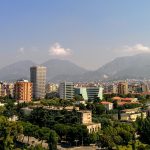
Tirana, Albania’s bustling capital, is a mix of Ottoman, Italian, and Soviet-era architecture, along with a growing arts and café culture. It’s the heartbeat of modern Albania, offering a blend of history, culture, and vibrant street life.
- Skanderbeg Square: The city’s main square, named after Albania’s national hero, is surrounded by important landmarks like the National History Museum, Et’hem Bey Mosque, and the Clock Tower.
- Bunk’Art 1 and 2: These are two underground bunkers turned into museums that explore Albania’s Communist past and the history of the country during the Cold War.
- Dajti National Park: Take the Dajti Ekspres cable car for stunning views of the city and the surrounding mountains.
- The Pyramid of Tirana: A strange yet iconic building that was originally a museum dedicated to Albania’s Communist leader Enver Hoxha. It’s a popular spot for photo ops.
- New Bazaar: A vibrant market where you can find fresh produce, handicrafts, and a lively atmosphere.
2. Berat – The “Town of a Thousand Windows”
Berat is one of Albania’s oldest towns and a UNESCO World Heritage site. It is renowned for its well-preserved Ottoman architecture and beautiful setting along the Osum River, framed by the imposing Tomorr Mountain.
- Berat Castle: Explore this ancient castle that houses several churches, a mosque, and beautiful panoramic views of the town.
- Mangalem and Gorica Quarters: These two districts offer the best views of the iconic white houses with their “thousand windows,” especially from across the river.
- Onufri Museum: Located within the castle, this museum showcases religious art from the 16th and 17th centuries.
3. Gjirokastër – The Stone City
Known as the “City of Stone,” Gjirokastër is another UNESCO World Heritage site with cobbled streets, traditional Ottoman houses, and a castle that overlooks the town. It’s an excellent place to immerse yourself in Albania’s history and culture.
- Gjirokastër Castle: A giant fortress that provides stunning views of the surrounding mountains and valleys. Inside, you’ll find a museum and military exhibits, including old planes.
- Skenduli House: A traditional Ottoman house that gives insight into Gjirokastër’s architectural heritage.
- Zekate House: Another historic Ottoman house that is open to visitors, showcasing traditional Albanian life.
4. Albanian Riviera – Gorgeous Beaches
The Albanian Riviera stretches along the Ionian Sea, offering pristine beaches, turquoise waters, and dramatic cliffs. It’s an increasingly popular spot for sun-seekers and nature lovers alike.
- Dhermi Beach: A stunning beach with clear waters and a vibrant nightlife scene, perfect for sunbathing and swimming.
- Jale Beach: A quieter, more secluded beach known for its crystal-clear waters, ideal for swimming and relaxing.
- Himara: A charming coastal town with beautiful beaches and a laid-back vibe. It’s less crowded than Dhermi, making it a great place to unwind.
- Llogara Pass: This mountain pass offers stunning views of the Ionian coast and is a popular spot for hiking or simply driving through to reach the beaches.
5. Butrint – Ancient Ruins
Butrint is a UNESCO World Heritage site that boasts some of the best-preserved ruins in Albania. Located near the Greek border, the archaeological park offers a glimpse into the ancient civilizations that once thrived in the region.
- Butrint Archaeological Park: The site contains ruins from the Greek, Roman, Byzantine, and Venetian periods, including a well-preserved theater, baptistery, and city walls. It’s set in a stunning natural environment, surrounded by lakes and marshland.
6. Shkoder – The Gateway to the North
Shkoder is one of the oldest and most culturally rich cities in Albania, located at the foot of the Albanian Alps and near the shores of Lake Shkoder.
- Rozafa Castle: Overlooking the town, this ancient castle offers spectacular views of the lake and the surrounding landscape. The castle is steeped in legend, with tales of a woman named Rozafa who was buried alive in the walls to secure its construction.
- Lake Shkoder: The largest lake in the Balkans, offering opportunities for boat tours, birdwatching, and hiking in the nearby mountains.
7. The Albanian Alps (Accursed Mountains)
The Albanian Alps, or Prokletije, are a rugged, remote mountain range that offers some of Europe’s best trekking and hiking opportunities.
- Theth National Park: A popular destination for hiking, featuring dramatic waterfalls, deep gorges, and traditional stone houses.
- Valbona Valley National Park: Known for its unspoiled beauty, this park offers trekking routes with stunning alpine landscapes, wildlife, and remote mountain villages.
- Hiking from Theth to Valbona: This multi-day hike takes you through some of the most rugged and beautiful parts of the Albanian Alps.
Things to Do in Albania
1. Outdoor Adventures
- Hiking and Trekking: Albania’s mountains and national parks offer excellent hiking routes, including multi-day treks in the Alps and the coastal trails of the Ionian and Adriatic seas.
- Beach-hopping: The Albanian Riviera has a wide variety of beaches, from secluded coves to lively resorts.
- Caving: Explore caves like the Përmet Caves or the Kakavija Cave for a spelunking adventure.
- Cycling: With its winding coastal roads and mountain paths, Albania is an emerging cycling destination.
2. Cultural and Historical Exploration
- Ancient Ruins: Visit UNESCO sites like Butrint and Apollonia for a deeper understanding of Albania’s ancient civilizations.
- Museums: Explore the National Museum in Tirana, the Ethnological Museum in Gjirokastër, or the Bunk’Art museums to learn more about Albania’s communist history.
3. Boating and Water Sports
- Boat Tours: Take a boat tour around Lake Shkoder or along the Albanian Riviera to discover hidden beaches, caves, and islands.
- Kayaking: Paddle through the crystal-clear waters of Albania’s lakes and coastline, especially around Lake Pogradec and Lake Prespa.
- Scuba Diving: The Albanian coast is becoming known for its underwater attractions, including wreck diving and exploring marine life.
4. Culinary Experiences
- Traditional Albanian Cuisine: Albanian food is hearty, with a mix of Mediterranean and Balkan influences. Try dishes like tavë kosi (a lamb and yogurt casserole), fërgesë (a spicy pepper and tomato stew), and byrek (a savory pastry filled with cheese, spinach, or meat).
- Olive Oil Tasting: The south of Albania is known for its high-quality olive oil, and many local farms offer tasting tours.
- Wine Tasting: Albania has a long winemaking history, with regions like Kruja and Berat producing excellent wines. Visit local wineries for tours and tastings.
Day Trips from Major Cities
1. From Tirana
- Dajti National Park: Take a day trip to enjoy nature walks, a cable car ride, and spectacular views of the capital.
- Kruja: Visit this historical town, known for its castle, old bazaar, and the Skanderbeg Museum.
- Shkoder: A day trip to the city’s castle, lake, and surrounding nature offers a great mix of culture and outdoor activities.
2. From Saranda
- Butrint: A short drive from Saranda, visit the ancient ruins of Butrint, one of Albania’s most important archaeological sites.
- Blue Eye (Syri i Kaltër): A stunning natural spring with crystal-clear blue water, located just outside Saranda.
3. From Vlora
- Llogara Pass: Drive or hike through this mountain pass for breathtaking views of the Ionian Sea.
- Karaburun Peninsula: A remote and rugged area, perfect for hiking and boat trips to hidden beaches.
What to Eat in Albania
- Byrek: A savory pastry, typically filled with cheese, spinach, or minced meat.
- Tavë Kosi: A traditional Albanian dish made with lamb and rice baked in a yogurt sauce.
- Fërgesë: A stew made from peppers, tomatoes, and feta cheese.
- Pastiche: A sweet dessert made with layers of thin pastry and cream.
- Seafood: Particularly along the coast, try fresh fish, octopus, and mussels.
Best Time to Visit Albania
- Summer (June to September): Ideal for beach holidays along the Albanian Riviera, with warm temperatures and plenty of sunshine.
- Spring (April to June): A great time for hiking and cultural exploration with mild weather and fewer tourists.
- Autumn (September to November): Still warm, especially in the coastal areas, with beautiful autumn foliage in the mountains.
- Winter (December to February): Cold, especially in the mountains, but ideal for winter sports in the Albanian Alps.
Conclusion
Albania offers a wealth of attractions for travellers seeking history, adventure, and natural beauty. Whether you’re exploring ancient ruins, hiking in the mountains, relaxing on pristine beaches, or discovering the vibrant culture of Tirana, Albania promises an unforgettable journey. Its affordability, warm hospitality, and relatively undiscovered status make it one of Europe’s best-kept secrets.
 Next Post